


Highly Potent API
Highly potent molecules need more than containment. They need expertise. Ardena has been manufacturing highly potent APIs at OEB-5 level since 2012. Our facility is purpose-built, routinely inspected by Dutch Health Authorities, and operated by scientists who understand both the chemistry and the compliance. If your molecule is potent, it is in the right place.
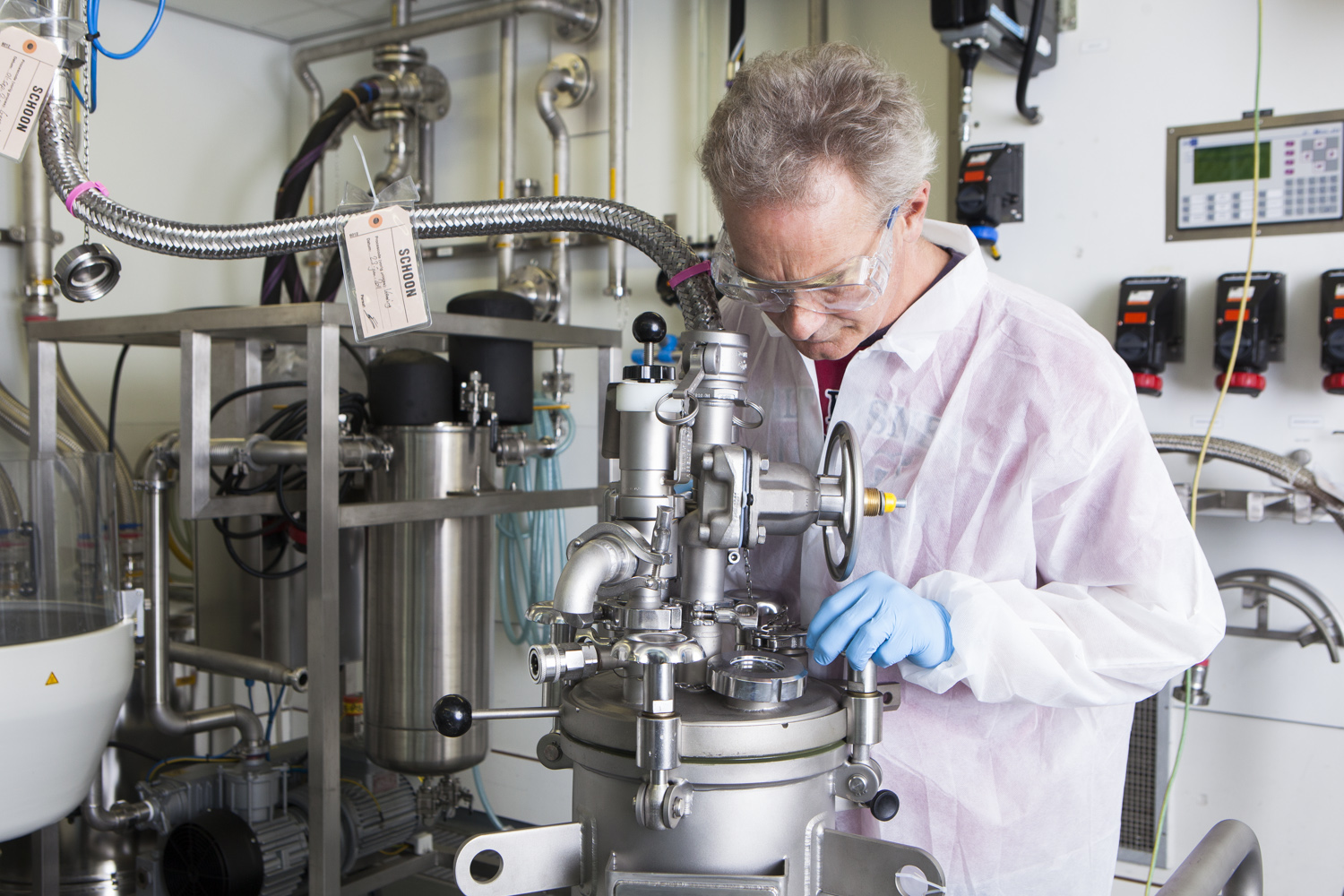
Built for potency. Validated for safety.
Working with highly potent compounds requires two things most CDMOs underestimate — the right infrastructure and the right culture. At Ardena, our HPAPI facility was designed from the ground up for contained processing. Every suite, every workflow, and every cleaning procedure exists to protect both the operator in our facility and the patient at the end of your program.
Contained Manufacturing
Four segregated GMP manufacturing suites with restricted access. Eight chemical reactors from 80 to 270 liters. Pressure cascading principles applied throughout. Contained dosing of solutions and slurries, contained sampling, and CIP cleaning built into every process. Capable of handling OEB-5 materials — confirmed through occupational exposure measurements with a representative model compound.
Operator Safety. Every Step.
Our containment control strategy follows the full hierarchy of controls — from engineering solutions through procedural safeguards. Segregated weighing areas with HEPA-filtered laminar airflow. Contained product handling for weighing, dispensing, tray drying, and harvesting. Occupational exposure measurements confirm operator exposure consistently below OEB-5 levels.
Product Safety and Contamination Control
Protecting your patient starts before manufacturing ends. Every product changeover includes a full MACO calculation based on Health Based Occupational Exposure Limits — OEL, ADE, or TDD — provided by a certified toxicologist. Cleaning validation covers main production equipment and all auxiliary equipment including flexible tubing, connectors, and drying trays. Cleanability assessed using fluorescent dye to identify and eliminate hard-to-clean areas.
Regulatory inspections since 2012. Zero surprises.
Our HPAPI facility has been subject to routine regulatory inspections by the Dutch Health Authorities since 2012. Every inspection passed. That track record is not luck — it is the result of a containment control strategy built around both operator safety and patient safety, with documentation and validation to match.
At a glance
Key Facts
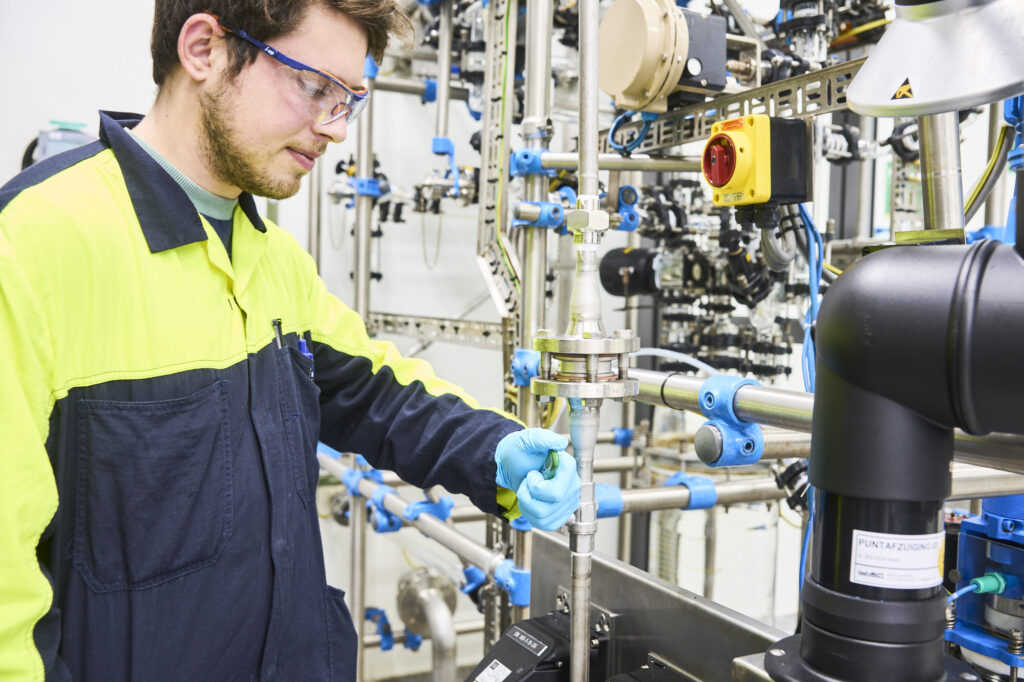
- OEB-5 capable (OEL 0.1–1 µg/m³)
- Purpose-built HPAPI facility operational since 2012
- 4 segregated GMP manufacturing suites
- 8 chemical reactors (80–270L)
- Routine Dutch Health Authority inspections — all passed
- Pressure cascading, HEPA filtration, laminar airflow throughout
- Full MACO calculations per HBOEL for every product changeover
- Cleaning validation for all process and auxiliary equipment
- Certified toxicologist providing HBOEL data for development compounds
Highly Potent API FAQ
Ardena protects operators handling OEB-5 materials with containment built into the facility and the process, and occupational exposure measurements confirm operator exposure consistently below OEB-5 levels. Our capability to handle OEB-5 materials was confirmed through occupational exposure measurements with a representative model compound. Drug substance manufacturing takes place in segregated production cells that are underpressurized compared to the surrounding corridors, which prevents material from spreading across the facility in the event of a spill. Solid materials are dosed with specialized equipment such as the Emission-free Powder Transfer system (EPTS), product solutions are transferred through flexible tubing, and in-process control samples are taken without the need to open chemical reactors. The containment control strategy follows the full hierarchy of controls, from engineering solutions through procedural safeguards.
Ardena treats a drug candidate with limited toxicology data as an HPAPI by default until its toxicology profile is fully established, and synthesizes it under a rational risk-based approach put in place before the first synthesis campaign. The approach combines a review of the available safety, preclinical and physicochemical data, a risk assessment drawing on databases and literature such as ISPE Risk MaPP, and the layout and design of the synthesis process, including facility, equipment, flow and a risk mitigation strategy. Once the operative OEB for the compound and its intermediates is determined, the potential synthetic routes are evaluated on efficiency, low exposure risk, scalability and analytical monitoring. Hazard analysis and hygiene risk assessments determine whether the synthesis, or certain steps of it, require a segregation concept, pressure cascading or containment technology. As more clinical and safety data become available, the approach is updated, allowing optimization, simplification and classification into the appropriate OEB band.