

On-Demand Webinar: Nanomedicine Development from Lab to Clinic: Strategies to Overcome Scale-Up and Analytical Challenges

Watch the webinar on-demand here

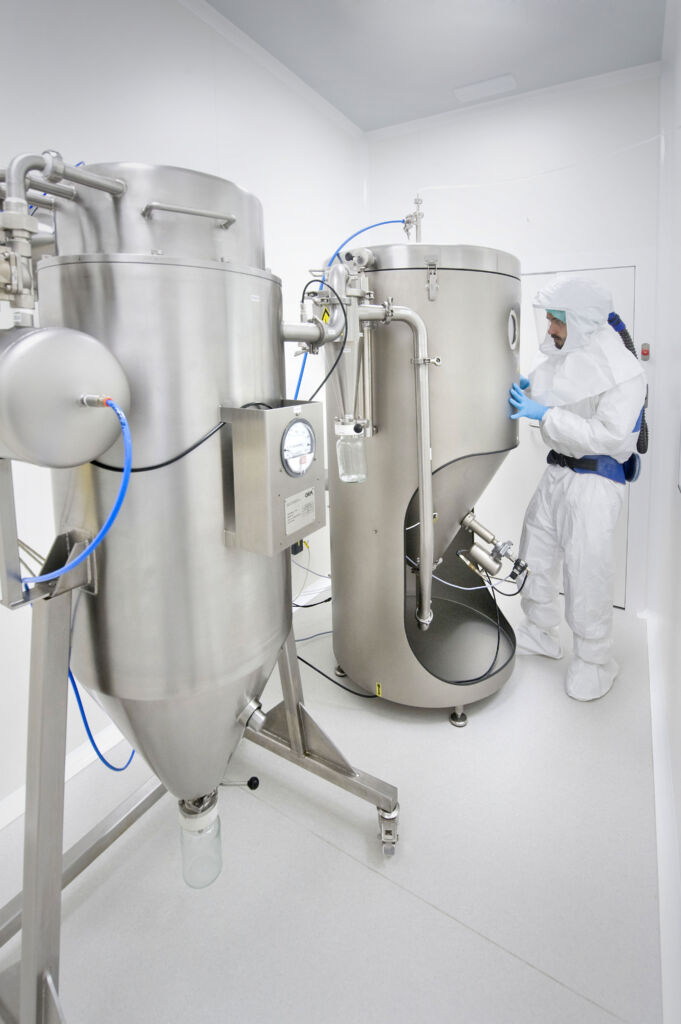
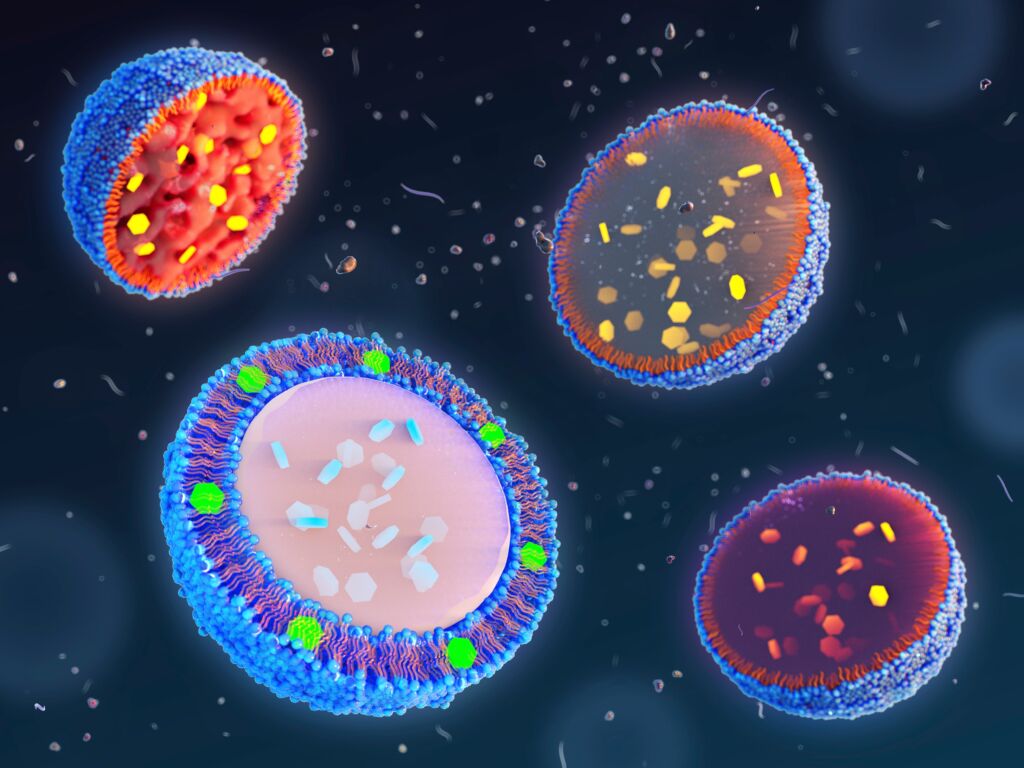
Nanomedicines such as liposomes and polymeric nanoparticles offer versatile therapeutic applications, but their inherent complexity presents significant hurdles in development and manufacturing. Upscaling a promising formulation from lab bench to GMP manufacturing is rarely straightforward. At small scale, processes tend not to be optimized for robustness or reproducibility. As a result, many published nanoparticle syntheses cannot be easily adapted for a large-scale production, instead requiring entirely new synthesis strategies to be viable at scale.

Analytical development of nanomedicines is also challenging because of their multiple components (e.g., active ingredient, lipids, target moiety) and related impurities that need to be extracted from a complex matrix for quantification. Attributes such as free components, size, morphology and functional properties are also often critical and require robust methods early on to ensure reliable batch comparability. Standard pharmacopeial approaches are not sufficient to characterize in-depth these complex systems.

In this webinar, Ardena nanomedicine experts will explore the critical challenges in scaling up nanomedicine production and analytical development, where we present a few examples of commonly encountered hurdles as well as the strategies to deal with them.

Key Learning Outcomes:
• Understand key challenges in scaling nanomedicine formulations to GMP manufacturing.
• Learn how to redesign lab-scale processes for robustness and reproducibility.
• Explore analytical strategies for characterizing complex nanoparticle systems.
• Identify critical quality attributes to ensure batch-to-batch comparability.

Target Audience: Pharmaceutical scientists, formulation specialists, R&D professionals, heads of CMC, C-suite executives at emerging biotechs, and regulatory affairs experts. Anyone advancing nanoparticle-based drug products toward clinical and commercial phases will find valuable insights in this webinar.

Presenters

Sjoerd Rijpkema, PhD
Senior Scientist – Group Lead PR&D, Nanomedicine
Dr. Sjoerd Rijpkema obtained his Masters focusing on organic chemistry and NMR. Afterwards, he obtained a PhD in Systems Chemistry from the Radboud University Nijmegen, where he specialized in polymer chemistry and supramolecular self-assembly.  After working as a university lecturer and educational developer, Sjoerd joined Ardena in the nano process R&D group. Currently, he is a group lead responsible for the development and production of several nanomedicine projects.

Maria Marioli, PhD
Principal Scientist – Group Lead Analytical Science, Nanomedicine
Dr. Maria Marioli holds a PhD in Analytical Chemistry from the University of Amsterdam and she is specialized in the characterization of large molecules and nanoparticles for pharmaceutical applications.  After working for several years in large pharmaceutical companies, Maria joined Ardena and she is now group lead responsible for the analytical method development and validation of nanomedicine projects.​​​​​​​

Duration
60 minutes

On-demand webinar: Hot Melt Extrusion for Poorly Soluble Drugs: Formulation Strategies and Scale-Up Insights

Watch the webinar on-demand here

As the pharmaceutical industry faces an increasing number of poorly water-soluble drug candidates, innovative formulation technologies are essential for achieving optimal bioavailability. Hot melt extrusion (HME) has become a key solution for formulating these challenging drug substances, enabling the creation of amorphous solid dispersions (ASDs) that significantly enhance solubility and dissolution rates.

This webinar will provide a systematic framework for developing bioavailable oral dosage forms using HME. It will guide attendees through key stages, including preformulation considerations (excipient selection and drug-polymer compatibility), formulation strategies for stable ASDs, and process development for scale-up to production. Real-world case studies and best practices will be shared, demonstrating how HME can overcome bioavailability challenges while maintaining product stability and quality.

Key Learning Outcomes:
• Understand the bioavailability challenges of poorly soluble drugs and how HME enhances dissolution and absorption.
• Learn a systematic approach to HME development, from preformulation to final formulation.
• Explore formulation strategies, including polymer selection, drug-excipient compatibility, and stabilization techniques to prevent recrystallization.
• Master process development and scale-up, optimizing HME parameters for successful technology transfer and maintaining product quality during scale-up.

Target Audience: Pharmaceutical scientists, formulation specialists, R&D professionals, heads of CMC, C-suite executives at emerging biotechs, and regulatory affairs experts. Anyone focused on enhancing drug solubility and bioavailability will find valuable insights in this webinar.

Presenters

Hibreniguss Terefe, PhD
Director, Product Development at Ardena Somerset, NJ
With over 27 years of experience in pharmaceutical research, development, and manufacturing, he leads the development of preclinical and clinical solid oral dosage forms. Previously, he served as Director of R&D at Catalent Pharma Solutions and Vice President of R&D at ExxPharma Therapeutics. He specializes in drug product development, commercial manufacturing, and CMC, with deep expertise in solubility enhancement, modified-release formulations, and twin-screw extrusion processes. Holding a Ph.D. in Pharmaceutical Chemistry and a Pharmacy degree from Westfälische Wilhelms-Universität Münster, Germany, he was also a Fulbright Visiting Scholar at UC Berkeley.

Shabab Kashani Rahimi, PhD
Lead Principal Scientist, Product Development at Ardena Somerset, NJ
An expert in pharmaceutical formulation and process development with 7 years of experience, specializing in solubility and bioavailability enhancement technologies such as hot melt extrusion and spray drying. His work includes the development of immediate and modified release dosage forms, as well as complex drug delivery systems. Holding a PhD in Polymer Science and Engineering, he has previously worked as a Formulation Principal Scientist at Catalent Pharma Solutions and BioDuro, and as a Postdoctoral Research Fellow at the University of Texas at Austin’s Molecular Pharmaceutics and Drug Delivery Department.​​​​​​​

Duration
60 minutes

On-demand webinar: Breaking the Bioavailability Barrier: Formulation strategies for Improving API Solubility

Register here to watch this webinar 

Poor solubility and low bioavailability of active pharmaceutical ingredients (APIs) have become major challenges in drug development. With a majority of new chemical entities falling under the BCS class II or IV categories, there is an increasing need for effective strategies to improve their solubility and enhance their bioavailability. In this webinar, our drug product formulation expert Giulia Milanesi will discuss the latest formulation approaches for improving the solubility and dissolution rate of poorly water-soluble compounds.

The webinar will cover various techniques and formulation types, including amorphous solid dispersion via spray drying, nanosuspensions, and lipid formulations. The first technique involves converting the crystalline structure of APIs into a more soluble amorphous form, stabilized by polymers. With nanosuspension formulations, focus is placed on reduction of the particle size of the API, and thereby increasing its surface area and dissolution rate. Lastly, lipid formulations act as carriers of the API, preventing precipitation of the solubilized compound and enhancing its absorption.

By attending this webinar, participants will gain a deeper understanding of the challenges associated with solubility and bioavailability of poorly water-soluble drugs. They will also learn about the latest formulation strategies for improving drug efficacy and bioavailability, including case studies of successful implementation. This webinar will be of interest to scientists and researchers involved in drug development and formulation, as well as professionals in the pharmaceutical industry looking to improve the performance of poorly soluble compounds.

Presenter

Giulia Milanesi
Group Leader
Drug Product Formulation Development and Production
Graduated in Industrial Pharmacy with an additional specialization master in pre-formulation and pharmaceutical development, she started her career in Italy as a Formulation Scientist and later she joined Ardena in Belgium. She grew to Senior Formulation Scientist and she currently holds the position of Group Leader Formulation and Production. Her role is to support the formulation development for new chemical entities to enter the clinical studies. Her expertise is mainly focused on oral solid dosage forms such as capsules and tablets, but also nanosuspensions, lipid formulations, oral solutions, injectable formulations and solubility enhancing technologies.​​​​​​​

Click here to watch this webinar 

On-demand webinar: Mastering Nanomedicines Characterization: Techniques for Determining Particle Size Distribution Based on Dynamic Light Scattering

Mastering Nanomedicines Characterization: Techniques for Determining Particle Size Distribution Based on Dynamic Light Scattering

Register here to our nanomedicines webinar 

The determination of particle size distribution (PSD) of drug nanocarriers is crucial for their successful development and use. Dynamic light scattering (DLS) is a commonly used technique for measuring PSD, and it provides information on the hydrodynamic size of particles by analyzing the fluctuations in scattering intensity over time. This webinar will cover the principles of DLS, including cumulants and regularization analysis, as well as the limitations of the technique, such as low resolution and accuracy for very polydisperse samples.

The webinar will also discuss multi-angle DLS, which can provide better resolution by measuring in forward, side, and backscattering angles, and spatially-resolved DLS, which is based on low coherence interferometry and can measure high concentrations of nanoparticles in flow or in containers. The application of DLS in the analysis of polystyrene size standards, mixtures of size standards, and drug products such as liposomes will be presented, along with the use of asymmetrical flow field-flow fractionation (AF4) in conjunction with DLS to measure PSD.

​​​​​​​Attendees of this webinar will gain a thorough understanding of the principles and techniques based on dynamic light scattering for determining the PSD of drug nanocarriers. They will learn about the advantages and limitations of these techniques, and gain insight into how to apply them to different types of drug nanocarriers. The webinar will provide attendees with valuable information and tools to help them optimize the development and use of nanomedicines in a variety of applications.

Register here to our nanomedicines webinar 

Presenter

Maria Marioli, PhD

Senior Scientist – Group Lead
Nanomedicine Analytical Chemistry

Maria holds a PhD in Analytical Chemistry from the University of Amsterdam and she is specialized in the characterization of large molecules and nanoparticles for pharmaceutical applications.  After working for several years in large pharmaceutical companies, Maria joined Ardena and she responsible for the analytical method development and validation of nanomedicine projects.​​​​​​​

Register here to our nanomedicines webinar 

On-demand webinar: Preparative HPLC for Purification of Pharmaceutical Compounds: Methodologies and Case Studies

Register here to watch this webinar on-demand

Learn about the basics of preparative HPLC, various chromatographic methodologies, method development and optimization, loading studies, and fractionation. Our drug substance analytical experts Petter Tollbäck and Eliza Dege will also delve into feed solution preparations, analysis, solvent reduction/drying methodologies, and the major challenges associated with preparative HPLC. Real-world examples and case studies will be shared, so you can gain a better understanding of the capabilities of preparative HPLC and make informed decisions on the purification and isolation of pharmaceutical drug substances.

Presenters

Petter Tollbäck, PhD

​​​​​​​Principal Scientist
Drug Substance Analytical Development

Eliza Dege, MSc

Team Manager
Drug Substance Process Development

Click here to watch this webinar

On-demand webinar: Advancing Drug Development: Overcoming Bioanalytical Challenges of Nanomedicines and ADCs

Advancing Drug Development: Overcoming Bioanalytical Challenges of Nanomedicines and Antibody-Drug Conjugates

Register to watch the webinar on-demand here

Developing novel drug delivery systems such as nanomedicines and antibody-drug conjugates (ADCs) has revolutionized the field of drug development. These targeted therapies have the potential to increase efficacy while minimizing toxicity. However, developing and quantifying these complex therapeutics present unique challenges in liquid chromatography – mass spectrometry (LC-MS) bioanalysis. In this webinar, we will discuss the bioanalytical challenges in developing novel drug delivery systems and explore solutions to overcome them.

This webinar will provide an in-depth comparison of bioanalytical challenges faced in developing nanomedicines and ADCs. Our expert speakers will discuss the complexities of bioanalysis, including sample preparation, chromatography, and mass spectrometry detection. Attendees will gain a comprehensive understanding of the similarities and differences in bioanalytical methods used to quantify these complex therapeutics.

By attending this webinar, attendees will:

  • Gain an understanding of the unique challenges in LC-MS bioanalysis of nanomedicines and ADCs
  • Learn about the analytical methods used to quantify these complex therapeutics
  • Explore the latest strategies for bioanalytical method development and validation
  • Understand the importance of sample extraction based on predefined scope, e.g. free, bound or total drug
  • Acquire best practices for overcoming bioanalytical challenges in the development of nanomedicines and ADCs

Overall, this webinar will provide attendees with valuable insights into the bioanalytical challenges in developing novel drug delivery systems and equip them with the knowledge and tools necessary to overcome these challenges.

Register to watch the webinar on-demand here

Presenters

Daniel Wilffert
Scientist Project Manager

Obtained a PhD in bioanalysis of proteins with LC-MS/MS from University of Groningen in 2016 and started his industrial career as scientist at a GLP/GCP-compliant contract research organization with a focus on bioanalysis of biopharmaceuticals including antibody-drug conjugate (ADCs) with LC-MS/MS. He joined Ardena in 2018, initially as research scientist and in 2019 he transitioned into the role of scientist / project manager of Ardena Assen. Daniel brings experience on bioanalysis of biopharmaceuticals and nanomedicines with LC-MS/MS.

Theo de Boer
Principal Scientist

Obtained a PhD in analytical chemistry & toxicology from University of Groningen in 2001 and started his industrial career as senior scientist at a GLP/GCP-compliant contract research organization with a focus on bioanalysis. Theo headed a chromatography group and became Manager Bioanalytical & Scientific Affairs. After ten years, he joined Ardena in 2013, initially as Associate Director LCMS Bioanalysis and in 2019 he transitioned into the role of Scientific Director Mass Spectrometry. In his current role, Theo brings 20+ years of experience bioanalysis.

Register to watch the webinar on-demand here

On-demand webinar: Compatibility and In-Use Stability Studies for Injectables

Compatibility and In-Use Stability Studies for Injectables: A Cross-Functional Discussion with CMC, Analytics, and Clinical Experts

Register to watch the webinar on-demand here

Ensuring the in-use stability of injectable drug products as well as the compatibility with materials for administration is crucial for product quality and patient safety. Despite this importance, there is a lack of clear regulatory guidance on the design of in-use stability and compatibility studies for early phase studies. This forces both manufacturers and healthcare practitioners to adopt a pragmatic approach. 

In this webinar, experts from Ardena and DataRevive will provide insights into the regulatory landscape for in-use stability studies of injectables and explore relevant WHO, EMA, FDA, and USP guidelines. This comprehensive overview will be followed by a discussion of the main parameters needed to design IV compatibility and in-use studies suitable for early phase clinical trials. A cross-functional perspective which encompasses clinical aspects, regulatory aspects, and analytics will be provided. The webinar will also cover case studies, providing attendees with practical examples of how to tackle different scenarios. 

This webinar will equip participants with a comprehensive understanding of the latest approaches and considerations for designing and executing in-use and compatibility studies for injectables for Phase I and II clinical trials. They will also gain an appreciation of the key regulatory requirements and challenges in this field and learn how to approach different scenarios through case studies. Attendees will acquire practical knowledge to ensure the quality and safety of injectable drugs during administration. 

Register to watch the webinar on-demand here

Presenters

Kathleen B. Retterson
Vice President, CMC Biologics
DataRevive

Ms. Retterson has served as site head and general manager at Amgen, Genzyme, and Charles River, where she oversaw manufacturing, QA, QC, process development, and supply chain. The majority of her professional career was spent at Amgen. During her tenure at Amgen, Ms. Retterson held a variety of positions of increasing responsibility, including Site Head of Amgen’s multi-plant Thousand Oaks manufacturing site and VP/GM of Amgen’s Rhode Island Facility.
Over her career, Kathleen has been responsible for the successful manufacture of a number of top biologics including EPOGEN®, Neupogen®, Aranesp®, Neulasta®, Infergen®, Enbrel®, Cerazyme®, Fabrazyme® and Myozyme®.
Kathleen holds an undergraduate degree from Brown University, and a master’s degree from Stanford University.

Kristin Baird, M.D.
Principal Consultant, Clinical
DataRevive

Dr. Baird is board-certified in Pediatric Hematologist / Oncologist and a subject matter expert in cell and gene therapy regulatory affairs. Dr. Baird has over 18 years of clinical research experience in pediatric oncology at the National Cancer Institute (NCI) in Bethesda, Maryland, US, and 8 years of regulatory experience the in U.S. Food and Drug Administration (FDA) in the role of Medical Officer / Clinical Reviewer, within the Oncology and Hematology Branches in the Office of Tissue and Advanced Therapies (OTAT), Center for Biologics Evaluation and Research (CBER). Dr. Baird joined the DataRevive team in September 2022.

Kelly Van Looveren, PhD
Senior CMC writer
Ardena

Graduated in Biochemistry and Biotechnology and having obtained a PhD in Biomedical Biotechnology, Kelly joined Ardena as a CMC Writer and rapidly grew to Senior CMC Writer. Her role is to provide regulatory advice to clients as well as to write scientific reports and regulatory documentation. Kelly gained extensive experience working on projects for big pharma and combines this with her knowledge on Biotechnology and large molecules.

Stef De Lombaerde, PhD
Group Leader Analytical Development
Ardena

Stef De Lombaerde graduated as a pharmacist and obtained his PhD in Pharmaceutical Sciences at Ghent University in 2018. Afterwards, he worked as a radiopharmacist at the Antwerp University Hospital, where he gained additional experience in the GMP manufacturing and quality control of sterile preparations for intravenous injection. In 2022, he joined Ardena as a Group Leader Analytical Development, where he is responsible for implementation and validation of analytical methods, coordinating stability studies and QC release testing for various novel drug products (both sterile and non-sterile).

Register for the webinar here for free

On-demand webinar: Navigating highly potent drugs to clinic: best practices from API to drug product

Register for the webinar here for free

Developing and manufacturing highly potent drugs presents significant challenges but it also represents a major opportunity for biotech companies looking to bring new treatments to patients. However, handling these highly potent materials requires expertise, specific equipment and organizational and technical measures to ensure control occupational exposure and to avoid cross-contamination to ensure worker safety and patient safety. Navigating the journey of a highly potent drug from Active Pharmaceutical Ingredient (HPAPI) to a finished drug product can be complex and risky. This webinar aims to provide a comprehensive overview of the best practices applied at Ardena, offering pharmaceutical companies effective control strategies to ensure safe process development and manufacture.

Topics to be covered include: the regulatory framework for HPAPI handling, the assessment of occupational exposure limits, the selection of phase-appropriate manufacturing strategies for HPAPI and potent drugs with focus on effective handling and containment strategies to minimize the risk of exposure to personnel and cross contamination.

By attending this webinar, you will gain a comprehensive understanding of the key factors to consider when developing and manufacturing highly potent drugs, as well as the best practices to ensure their success. Whether you are a startup or an established biotech company, this webinar will provide you with the knowledge and skills you need to make informed decisions and take your highly potent drugs from the laboratory to the clinic.

Presenters

Rob Abbenhuis, PhD

​​​​​​​Chemistry Division Manager

Obtained a PhD in metal-mediated organic synthesis from Utrecht University in 1997 and started his industrial career in Process Development and Commercialization of small molecule API’s. Rob headed a chemical pilot plant and has been a Director Process R&D on Steroids & Heterocyclic molecules. After two years in Biotech (upstream and downstream processing), he worked for six years as Director Operations in a commercial sterile Fill & Finish plant. He joined Ardena in 2018, initially as Director Process R&D & Manufacturing and in 2020 he transitioned into the role of Business Unit Director of Ardena Oss. In July 2022 he was appointed CHEM Division Manager of Ardena. In his current role, Rob is responsible for Ardena’s drug substance activities at the sites in Oss (The Netherlands), Sodertalje (Sweden) and Pinki (Latvia). Rob brings experience in working with API’s in highly potent DS and DP facilities.

Arno Vermote, PhD
​​​​​​​CMC Regulatory BD Manager
Graduated in Pharmaceutical Sciences and having obtained a PhD in medicinal chemistry, he started his career as a medical writer for a Belgian CRO. Later he joined Ardena as a CMC Writer and rapidly grew to Senior CMC Writer. His role was to provide regulatory advice to clients as well as to write regulatory documentation for new chemical entities in clinical studies. Next to providing assistance and support to clients, he also fulfilled a role in technical sales for the Ardena CMC Regulatory team. This technical sales role eventually culminated in a full-time business development function. Having a background in medicinal chemistry and being a pharmacist by training, Arno combines knowledge and expertise in both drug substance and drug product development.​​​​​​​

Ben Vermeulen, PhD
​​​​​​​Drug Product BD Manager

Graduated as a Bio-engineer cell-and gene biotechnology and having obtained a PhD in veterinary microbiology and immunobiology, he started his career as a technology developer for a Belgian/Australian small start-up biotech. Later he worked as an analyst for a private investor looking for new promising therapeutics in the oncology field. In 2016 Ben joined the Ardena Gent project management office first as a project officer and later as a Project Manager, where his main responsibilities were to guide Contract Givers through all stages of CMC drug development (formulation development, GMP manufacturing and analytical development/validation as well as clinical supply). In a next phase, Ben took up a role in the business development department where he evolved into a CMC technical sales role. In parallel to his other activities at Ardena Ben also took up the role of Safety Coordinator where he is responsible for all API safety-related matters. Having gained experience in multiple drug development domains  (Immunobiology, clinical, CMC and safety) Ben has acquired a broad expertise throughout a big portion of the drug development process, including working with HPAPIs.

Register for the webinar here for free

On-demand webinar: Capsules, a versatile OSD for early phase development

Register to the webinar here for free.

In this webinar the essential aspects of oral solid dosage forms will be evaluated, especially a comparison between capsules and tablets will help to select the ideal formulation for your scope. You will be guided through the capsule development process from early phase development to larger scale manufacturing, emphasizing the critical process aspects that have to be controlled from a formulation point of view to obtain a successful product.

Capsules and tablets are the most popular oral solid dosage forms for the manufacturing of oral medication and food supplements. Although they often share the same target profile, both have distinct advantages and disadvantages. Understanding the different aspects such as patient compliance, the manufacturing process and the desired release profile of the formulation lead to a better selection of the most suitable oral solid dosage form.

In early phase development, capsules play a significant role in helping the API (active pharmaceutical ingredient) enter Phase I clinical trial as limited formulation (blend) development is required. Furthermore, capsules can be filled with pure API, limiting the consumption of API, avoiding development time and thereby reducing financial investment. Moreover, capsules provide excellent versatility in dose selection, taste masking and blinding properties, which are essential features for clinical studies.

For later stages in clinical trials, a more sophisticated blend in capsule formulation is needed to reduce the manufacturing time and to efficiently produce drug products using (semi-)automatic device. The challenges related to the capsule manufacturing in these phases are mainly linked to the homogeneity of the blend to be filled into capsules, needed to guarantee an accurate dose and scale-up problems related to the transfer from manual encapsulation devices to automated machines.

Presenters
Giulia Milanesi (Ardena)
Group Leader – Formulation Development and Production
Graduated in Industrial Pharmacy with an additional specialization master in pre-formulation and pharmaceutical development, she started her career in Italy as a Formulation Scientist and later she joined Ardena in Belgium. She grew to Senior Formulation Scientist and she currently holds the position of Group Leader Formulation and Production. Her role is to support the formulation development for new chemical entities to enter the clinical studies. Her expertise is mainly focused on oral solid dosage forms such as capsules and tablets, but also nanosuspensions, lipid formulations, oral solutions, injectable formulations and solubility enhancing technologies.

Marco Bellentani (MG2)
Product Manager, Validation Manager and Project Management Officer for Processing Division
Graduated in Computer Science, he has been working for MG2 for almost 30 years. For the first 11 years he gained experience as a Software Engineer managing Encapsulation Software Projects and Products.
He currently holds the roles of Product Manager for Processing Division, Project Management Officer and Validation Manager. Active member of ISPE for almost 20 years he is also part of GAMP Italia Steering Committee since 2008, co-ordinating and actively participating to national and international ISPE/GAMP Working Groups.

Register to the webinar here for free.

On-demand webinar: Navigating CMC requirements for Spray Drying Processes

Spray drying is a continuous, reproducible, cost-effective and scalable process for the production of stable amorphous solid dispersions.
This technology enables the production of dry pharmaceutical powders for tablets, powder-filled capsules and inhaled drug products.
The dispersion of a drug in a polymer matrix results in enhanced solubility in intestinal fluids and improved bioavailability.

To enable rapid product development and file submission it is paramount to integrate CMC strategies and regulatory aspects early in the drug product development process.
CMC demands are growing throughout the clinical phases and they require phase appropriate expertise and management skills.

This webinar will address key CMC challenges and integrated project management solutions for spray dried pharmaceutical product development.

Presenters
Stefano Console
Scientific Advisor
Stefano Console has more than 30 years of experience in the pharmaceutical and fine chemical business. The broad experience gained with different CDMOs coupled with an unceasing scientific curiosity for new technologies led Stefano to hold strategic roles managing a large number of successful projects for big as well as small Pharma partners across EU, USA and Japan. A vibrant passion for business development, organizational innovation and start-up initiatives, together with a relevant expertise in pharmaceutical particle engineering technologies (especially micronization and spray drying related technologies) and respiratory products complete the profile.
Currently Stefano is Senior Advisor and Founder at Oriento SA, Member of the Advisory Board at eu.reca (European Respiratory Cluster of Antwerp) and Scientific Advisor at Ardena.
Stefano received his five-year degree in Chemistry from the University of Milano, Italy.

Arno Vermote
Senior CMC Writer
Graduated in Pharmaceutical Sciences and having obtained a PhD in medicinal chemistry, he started his career as a medical writer for a Belgian CRO. Later he joined Ardena as a CMC Writer and rapidly grew to Senior CMC Writer. His role is to provide regulatory advice to clients as well as to write regulatory documentation for new chemical entities in clinical studies. Next to providing assistance and support to clients, he also fulfills a role in technical sales for the Ardena Dossier Development team. Having a background in medicinal chemistry and being a pharmacist by training, Arno combines knowledge and expertise in both drug substance and drug product development.